
Few things are more frustrating than finding your clothes still wet after running the dryer. If your dryer is spinning but not producing heat, your laundry routine can quickly turn into a chore. Luckily, most dryer heating issues can be diagnosed and resolved with proper troubleshooting, maintenance, and professional support. By understanding the common causes and solutions, you can restore your dryer’s efficiency and keep your household running smoothly.
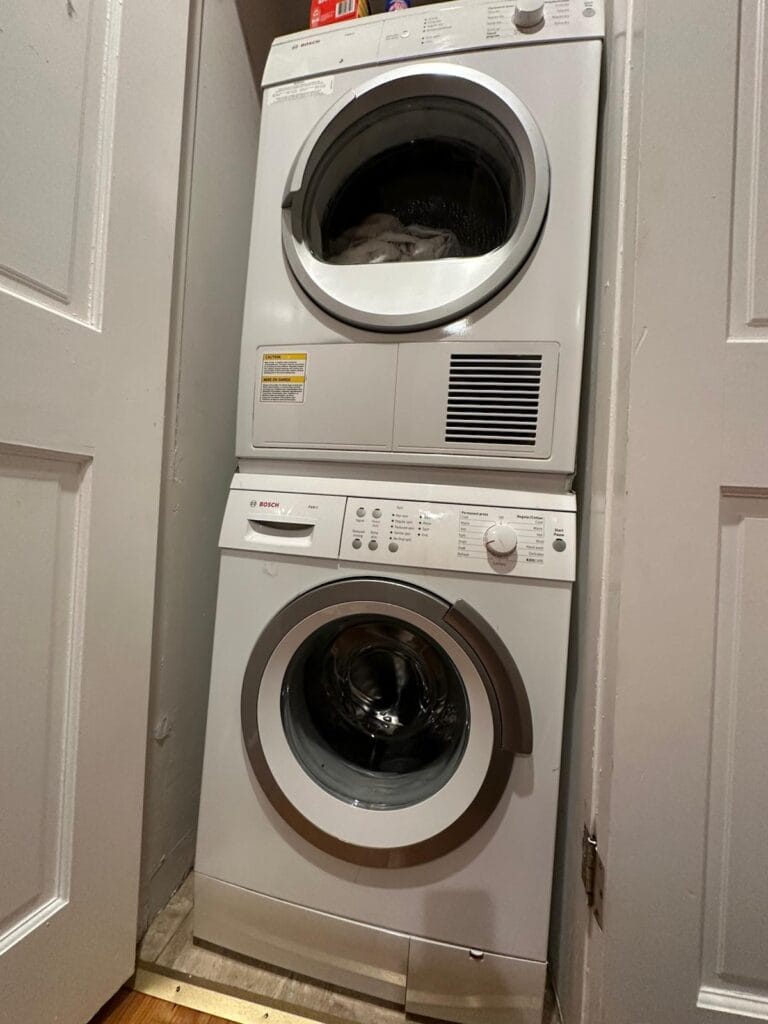
If your dryer is not heating, there are several effective solutions you can try before calling a professional. Start by checking the basics, including power supply, circuit breakers, dryer settings, gas flow, and lint screen cleanliness. Inspect the dryer for common issues such as faulty heating elements, blown thermal fuses, defective thermostats, malfunctioning timers or control boards, clogged vents, oversized or soaking-wet loads, and blocked exhaust flaps.
Step-by-step troubleshooting can include testing components with a multimeter, cleaning vents and ducts, adjusting load size, and verifying proper installation and gas supply for gas dryers. For issues that cannot be resolved with DIY methods, professional repair services can safely replace damaged components, restore proper heating, and optimize dryer performance.
Preventive maintenance, such as regular lint and vent cleaning, monitoring electrical supply, and avoiding overloading, ensures your dryer continues to operate efficiently and safely.
Quick Troubleshooting Tips
Before diving into advanced repairs, start with these basic checks:
- Check Dryer Settings: Ensure the dryer is not set to “cool” or “eco” mode.
- Reset the Circuit Breaker: Electric dryers require 240 volts. Reset the breaker if tripped.
- Inspect Gas Supply (for gas dryers): Verify the gas valve is open and the supply is active.
- Clean the Lint Filter: Remove any lint buildup to ensure proper airflow.
Pro Tip: Running your dryer on an empty cycle for a few minutes can sometimes reset the thermal cut-out switch.
Common Causes of a Dryer Not Heating
1. Faulty Heating Element
The heating element generates the heat required for drying clothes. If it’s damaged, your dryer may spin without producing heat. Testing continuity with a multimeter can confirm whether it’s working.
If you need an emergency dryer repair service in alexanderia, Va you can call us directly.
2. Blown Thermal Fuse
The thermal fuse prevents overheating by cutting power to the dryer. If blown, the dryer may run but will not heat. Replacing it usually restores proper function.
3. Defective Thermostat
A faulty thermostat can prevent the dryer from reaching the correct temperature. Testing with a multimeter helps identify malfunctioning units.
4. Malfunctioning Timer or Control Board
Issues with the timer or control board can disrupt heating cycles. These complex electrical components often require professional diagnosis and repair.
5. Clogged Vent or Dryer Duct
Blocked vents reduce airflow, which can cause the system to overheat and shut down the heating element. Regularly cleaning vents and ducts restores proper airflow and prevents fire hazards.
6. Oversized or Wet Loads
Overloading the dryer or placing soaking-wet clothes inside can impede air circulation, resulting in prolonged drying times. Ensure the drum is no more than three-quarters full and remove excess water from clothes.
7. Blocked Exhaust Flap
Check the exterior vent flap for kinks, debris, or obstructions that may prevent hot air from escaping.
Troubleshooting Electric Dryers
- Ensure a 240-volt power supply.
- Check circuit breakers for tripping.
- Inspect the heating element, thermal fuse, and thermostats.
- Verify proper voltage at the outlet.
Troubleshooting Gas Dryers
- Confirm the gas valve is open and the supply line is active.
- Inspect the igniter and flame sensor for damage.
- Check the thermal fuse and high-limit thermostat.
- Ensure proper venting to prevent heat loss and fire hazards.
Important: Always have gas dryers installed and repaired by qualified professionals to avoid fire or gas leak hazards.
Step-by-Step Diagnostic Guide
- Verify Power Connection: Check outlets, gas supply, and circuit breakers.
- Inspect Settings: Ensure the correct drying mode is selected.
- Clean Lint and Vents: Clear lint traps and vacuum ducts.
- Test Thermal Fuse and Heating Element: Use a multimeter to check for continuity.
- Examine Thermostats and Control Board: Replace any faulty components.
- Assess Load Size and Wetness: Avoid overloading and remove excess moisture from clothes.
Repair and Maintenance Solutions
- Replace Faulty Components: Use compatible parts for heating elements, thermal fuses, and thermostats.
- Clean Dryer Vents and Ducts: Maintain airflow to prevent overheating and fire risks.
- Regular Preventive Maintenance: Clean lint screens after every use, and inspect key components annually.
- Professional Assistance: Call expert technicians for complex issues involving gas lines, electrical components, or control boards.
Preventive Tips to Keep Your Dryer Running Smoothly
- Clean dryer vents at least once a year.
- Avoid overloading your dryer.
- Regularly inspect the thermal fuse, thermostat, and control board.
- Maintain proper airflow and ventilation.
- Ensure professional installation and periodic service checks.
When to Call a Professional
Professional dryer repair is recommended when:
- Multiple components are malfunctioning.
- Electrical or gas issues are suspected.
- DIY troubleshooting does not restore heat.
- There is a burning smell or unusual noises.
FAQs About Dryers Not Heating
Q1. How can I tell if my heating element is broken?
A: If the dryer tumbles but doesn’t heat, and clothes remain damp, the heating element may be faulty. Testing with a multimeter confirms its status.
Q2. How often should I clean my dryer vent?
A: At least once a year, or more frequently for high-use households. Clean vents improve efficiency and reduce fire risk.
Q3. Why is my dryer getting warm but not hot enough?
A: Possible causes include a partially clogged vent, a worn heating element, insufficient voltage, or thermostat issues.
Q4. Should I repair or replace a dryer that isn’t heating?
A: If repair costs exceed 50% of a new dryer’s price or your dryer is over 15 years old, replacement is recommended.
Q5. Can I fix a gas dryer myself?
A: DIY gas dryer repair is dangerous. Always hire qualified professionals for safety and compliance with local codes.
Conclusion
A dryer that isn’t heating can disrupt daily routines, but most issues are solvable with proper troubleshooting, cleaning, and maintenance. From checking power supply, settings, and load size to inspecting heating elements, thermal fuses, thermostats, and vents, homeowners can resolve many problems on their own.
For complex electrical or gas-related issues, professional assistance ensures safety and long-lasting repairs. Preventive care, including regular vent cleaning and component inspections, will keep your dryer operating efficiently for years.
Don’t let a faulty dryer slow you down. Contact One Stop Appliance for fast, reliable dryer repair services in Virginia and get your laundry routine back on track today!


