
A freezer that isn’t freezing correctly can be frustrating. From thawing frozen foods to spoiled groceries, a malfunctioning freezer affects your daily life. Several common issues can cause a freezer to stop working efficiently. Understanding these problems and their solutions can help you fix your freezer or know when to call a professional.
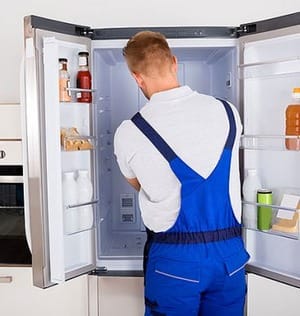
A freezer that is not freezing properly can be caused by a variety of factors, from user errors to failing components. Common issues include overpacking, frost buildup, dirty condenser coils, malfunctioning evaporator or condenser fans, broken start relays, defective electronic controls, faulty defrost sensors, worn gaskets, and a failing compressor.
Many problems can be resolved with basic maintenance, such as cleaning coils, defrosting, checking seals, and testing fans or thermostats. Some issues, particularly with compressors, relays, or electronic control boards, require professional repair. Regular maintenance, proper organization, and correct temperature settings help prevent these issues and ensure the freezer maintains optimal temperatures for safe food storage.
1. Crowding Items
Overloading the freezer blocks airflow and prevents cold air from circulating evenly. This can lead to uneven freezing or partially thawed food.
Solution:
- Reorganize freezer shelves to allow space between items.
- Avoid blocking air vents with large or bulky items.
- Store foods in a way that promotes proper airflow.
2. Frost Buildup
Excess frost on freezer walls or vents blocks airflow and reduces cooling efficiency. Frost can form if the door is opened frequently or if the seal is compromised.
Solution:
- Defrost the freezer manually or use the auto-defrost function if available.
- Remove frost with a plastic scraper, never sharp objects.
- Maintain a defrost schedule to prevent heavy buildup.
3. Dirty Condenser Coils
Dust, dirt, and pet hair can accumulate on the condenser coils. This prevents proper heat dissipation, forcing the compressor to work harder.
Solution:
- Clean coils every 6–12 months with a vacuum or a damp cloth.
- Ensure nothing is blocking the coils or airflow around them.
- Regular cleaning improves freezer efficiency and reduces energy usage.
4. Malfunctioning Evaporator Fan
The evaporator fan circulates cold air inside the freezer. If it is broken or blocked, some areas may not freeze, leaving food soft or unevenly cooled.
Solution:
- Check the fan for obstructions.
- Test the motor with a multimeter for continuity.
- Replace the fan motor if it is not functioning properly.
5. Broken Start Relay
The start relay helps the compressor begin running. A faulty relay can prevent the compressor from working, stopping the freezer from cooling.
Solution:
- Locate and test the start relay with a multimeter.
- Replace a faulty relay with the correct manufacturer part.
- Ensure proper installation to restore compressor function.
Is your freezer not freezing? Call us today for fast, reliable appliance repair
6. Defective Electronic Controls
Electronic control boards manage the freezer’s temperature and fan operations. Damage to these boards can lead to uneven cooling or complete failure.
Solution:
- Inspect the control board for visible damage.
- Replace malfunctioning boards according to the user manual.
- Professional assistance is recommended for electronic repairs.
7. Faulty Defrost Temperature Sensor
The defrost temperature sensor monitors ice buildup and triggers defrost cycles. A broken sensor can cause frost buildup and poor cooling.
Solution:
- Test the sensor using a multimeter for continuity.
- Replace the sensor if it fails the test.
- Regular inspection can prevent excessive frost accumulation.
8. Worn Condenser Fan
The condenser fan cools the coils by pulling air over them. A worn or blocked fan can cause the compressor to overheat and reduce freezing efficiency.
Solution:
- Check fan blades for damage or obstruction.
- Test motor operation and replace if faulty.
- Keep the area around the fan clean to maintain airflow.
9. Seal Issues
Door gaskets that are worn or damaged allow warm air into the freezer, causing frost buildup and uneven cooling.
Solution:
- Test the gasket with a piece of paper, pulling gently.
- Replace seals that do not hold the paper firmly.
- Clean and maintain gaskets regularly to keep them flexible.
Book a service online now—fast, local, and trusted
10. Broken Compressor
The compressor compresses refrigerant and circulates it through the freezer. If it fails, the freezer will not maintain cold temperatures.
Solution:
- Listen for compressor humming or vibrations.
- If silent or malfunctioning, contact a professional technician.
- Replacing a compressor is complex and usually requires service support.
When To Call a Professional
When you need a repair call, One Stop Appliance Repair is available on your doorstep. No matter what type of refrigerator or size of freezer, our expert technicians provide the prompt services across Northern Virginia, Washington, D.C., and Maryland.
Tips to Prevent Freezer Problems
- Keep the freezer organized to maintain proper airflow.
- Check the thermostat monthly to ensure proper temperature settings.
- Clean condenser coils regularly to improve efficiency.
- Inspect door seals for leaks and replace when needed.
- Defrost your freezer at least once a year to prevent frost buildup.
FAQs
Q1: How cold should my freezer be?
A: Freezers should maintain 0°F (-18°C) for safe food storage.
Q2: Why is my freezer cold but not freezing food?
A: Common causes include overpacking, frost buildup, or malfunctioning fans.
Q3: Can I fix a broken compressor myself?
A: Replacing a compressor is complex. Professional service is recommended.
Q4: How do I know if the evaporator fan is working?
A: Open the freezer and hold the door switch. If the fan does not spin, it may not be very accurate.
Q5: How often should I clean condenser coils?
A: Clean every 6–12 months, more often in dusty homes or with pets.
Q6: What if my freezer keeps forming frost even with auto-defrost?
A: A faulty defrost sensor, control board, or gasket could be causing it.


